Best CTO Books - The Reading List for CTOs
and other engineering leaders
[Last updated 12/2025]
Are books still relevant? YES! There is a lot to learn from the internet, from blogs and articles. There is a lot to learn from AIs like ChatGPT and Gemini for your CTO role - or for preparing to become a CTO.
For this to work, you need to know what questions to ask. A book on the other hand, packages everything you need to know on a topic, goes deep, and answers the questions you didn’t know to ask. That’s why every CTO needs a solid CTO reading list.
My CTO Books
I write books to help engineering leaders succeed in their roles, drawing from my experience as a CTO to provide practical, actionable guidance. My main book, “Amazing CTO”, is a comprehensive guide covering technical leadership, team building, strategy and career development, packed with real-world examples and immediately applicable strategies.
Amazing CTO
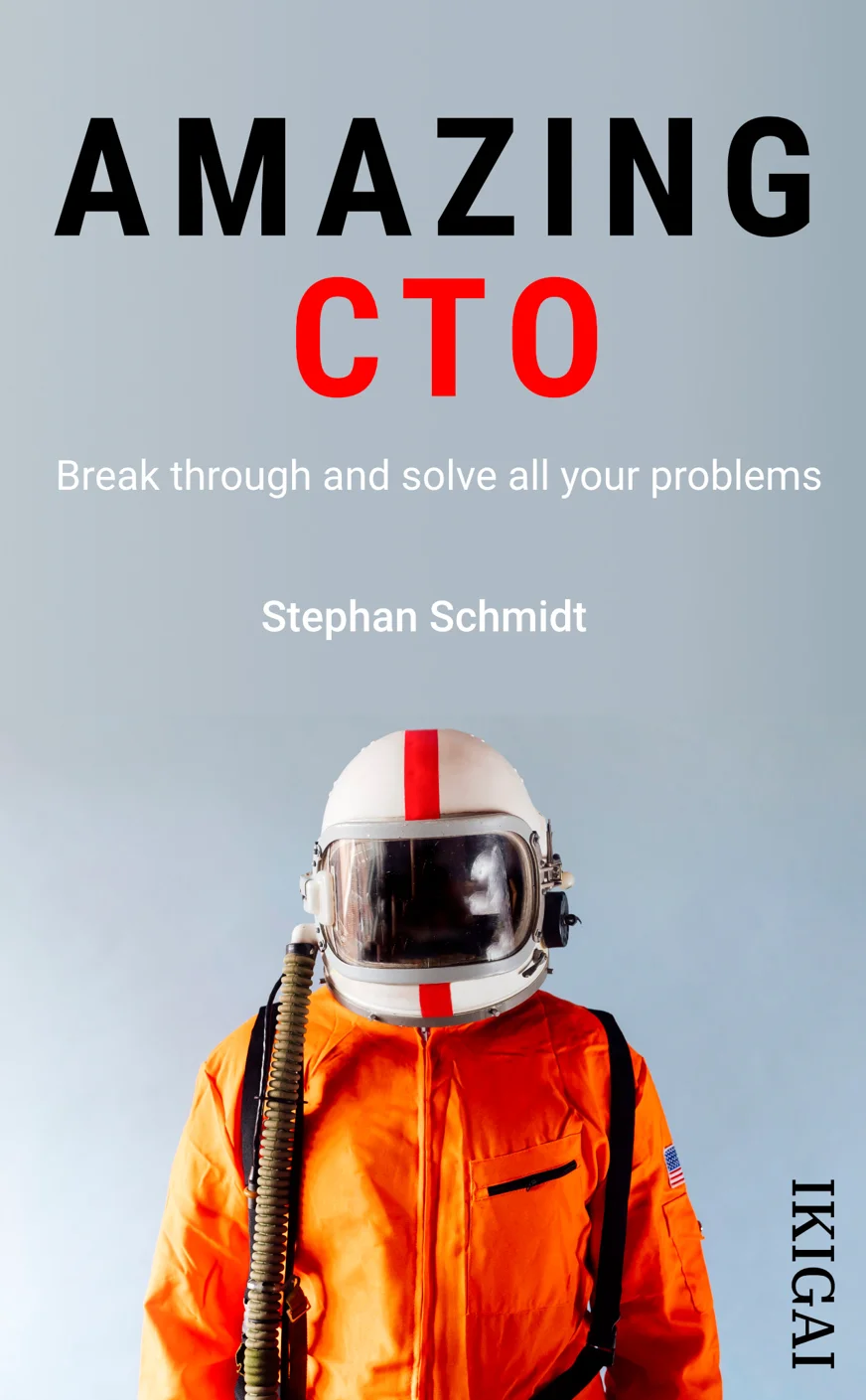
Author: Me
What is the book about: How to be an amazing CTO - technology, people, strategy to the nitty gritty details of 1:1s.
What you'll like about the book: It's very readable, it was written with the reader who has no time in mind. Each page can be read on its own.
Why you should read it: It gives lots of guidance over many different topics. After reading it, you'll have more clarity and feel much better about your role.
My Mini-Books Series on specific topics

Best Books for CTOs - The Must Read List
There are many books that are relevant to CTOs. But your time is limited so you can only read the best books.
I created a list of books for CTOs to read. The list is surpising and not about technology!
Here comes my uncommon list of books for CTOs to read. You might expect engineering leadership books, or technology books, but from my experience as an engineering manager, CTO and CTO coach for more than three decades, I found that technology doesn’t create the most problems - it’s other things that make you fail.
The Art of Action
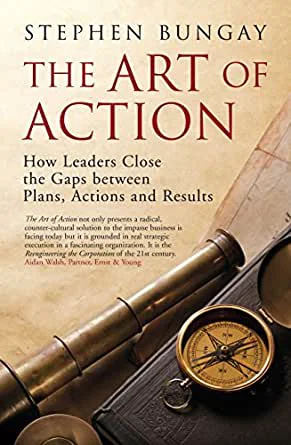
Author: Stephen Bungay
What is the book about: The book is about strategy. It is not about creating a strategy but about rolling out a strategy and making it work.
What I liked about the book: Creating a strategy is the easy part (with the right idea), but rolling the strategy out so everyone understands it and it has the intended effect is the difficult part.
Why you should read it: Many managers create a strategy, communicate it, and it does not work. If you want your strategy to work, read this book.
Don’t Think of an Elephant!
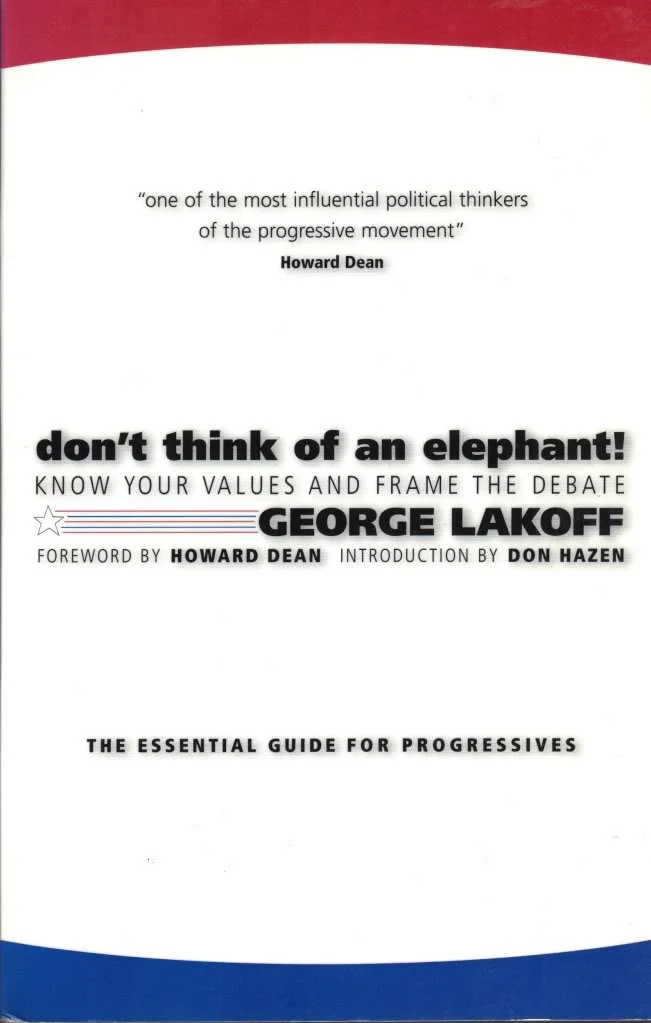
Author: George Lakoff
What is the book about: Framing discussions.
What I liked about the book: Every discussion has a frame. If you control the frame, you control the discussion. This was very enlightening and helped a lot.
Why you should read it: Many CTO discussions are framed around performance. If performance is the frame, there is never enough of it. If you control the frame, and the frame is impact or focus, there are no more performance discussions.
Ideaflow / How to Measure the PAIN in Software Development
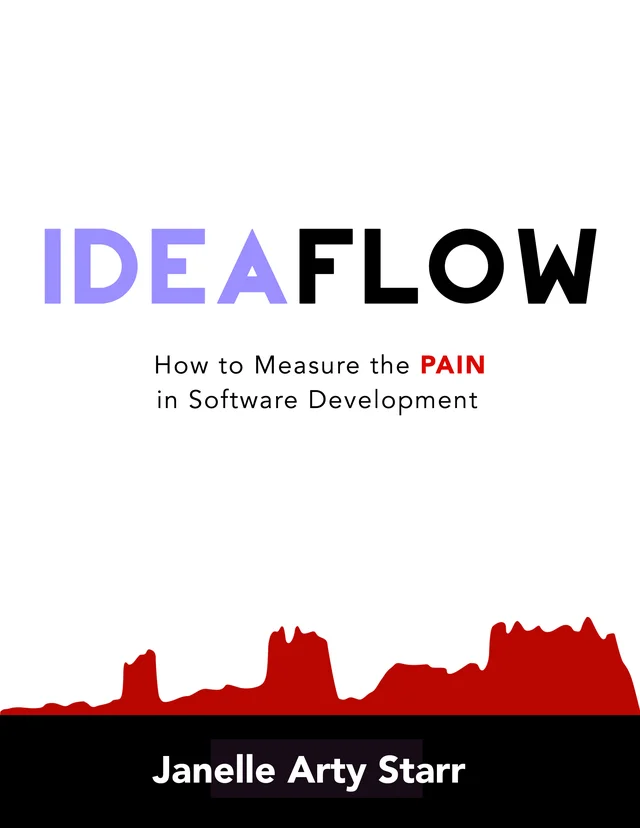
Author: Janelle Arty Starr
What is the book about: The idea that software development is turning ideas into code and reading code to form these ideas back in your head.
What I liked about the book: It strongly focuses on making the flow from brain to code to brain again as frictionless as possible. Many books have some of these concepts, but this one has a clear and sharp focus on the concept.
Why you should read it: Friction in this flow has many consequences: unhappy developers, low productivity. Fixing this cycle has many benefits. As you are always under pressure to deliver, this is your book.
Measuring and Managing Performance in Organizations
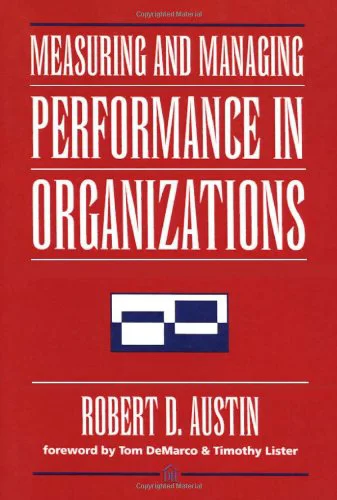
Author: Robert D. Austin
What is the book about: Implementing goal and incentive systems in organizations.
What I liked about the book: It does not talk about how to create your goals but how people will react to it (second order thinking). Employees will start to game your metrics to detrimental effects on everything you're not measuring.
Why you should read it: If you have a goal system (OKRs?) but they don't work the way you think they should work, read this book.
The Field Guide to Understanding Human Error
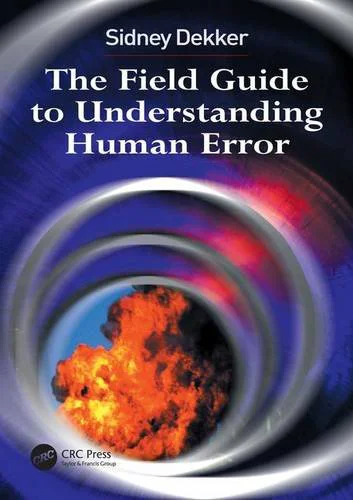
Author: Sidney Dekker
What is the book about: Understanding the catastrophes and the reasons for them.
What I liked about the book: It changed the reader's mind completely. There is never human error and you need to look forward from the incident, not backwards toward the incident to understand it.
Why you should read it: Post mortems too often stop at the human level - this is not far enough. Incidents are multi-level. Every CTO needs to deal with incidents, and to make the best out of them, read this book.
Start With Why
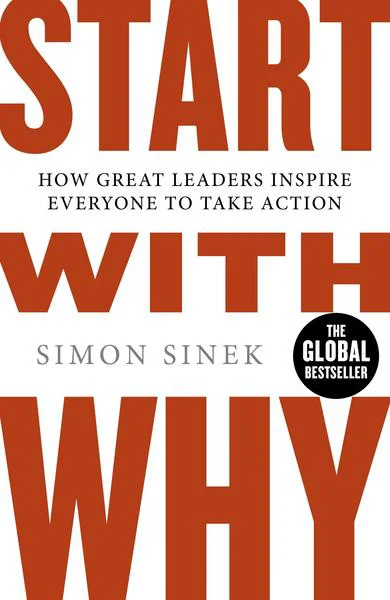
Author: Simon Sinek
What is the book about: Companies should start with the Why. It distinguishes the Why from the What and the How.
What I liked about the book: The reader was always purpose driven and this book gave their thoughts a good framework.
Why you should read it: Modern managers are like shamans, they explain the world. The "Why" gives purpose to your employees, motivates and aligns them.
High Output Management
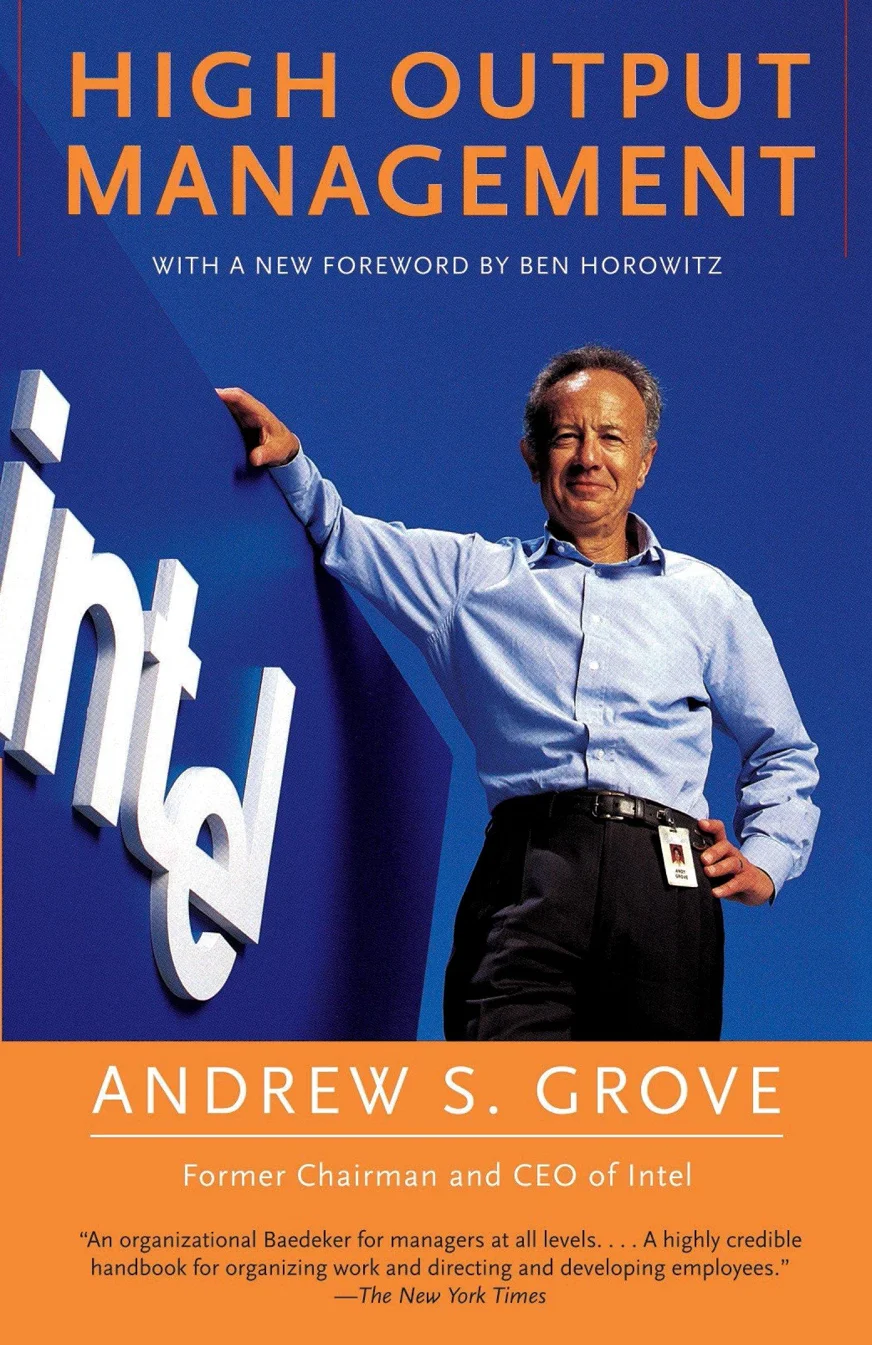
Author: Andrew S. Grove
What is the book about: Being a good manager.
What I liked about the book: Touches a lot of topics. "Only the Paranoid Survive" was the first management book the reviewer read and enjoyed; they enjoyed this one too.
Why you should read it: This is an absolute classic and canon. There are many good ideas about management. One idea to absolutely take with you is the importance of 1-on-1s.
One Page Management
Author: Riaz Khadem
What is the book about: The book is from the eighties and wants to convince the reader how IT can help them manage a company.
What I liked about the book: The book has quite some good ideas that were lost in time. For example, having several goal levels: below the first is unhappy, below the second is ok, above the third is exceptional.
Why you should read it: There are several good ideas, but read it for the goal idea alone. Having several goal levels makes everything easier. Instead of one stretch goal that no one achieves, several goals give more options for different actions (fire, ok, promote...).
Managing Humans
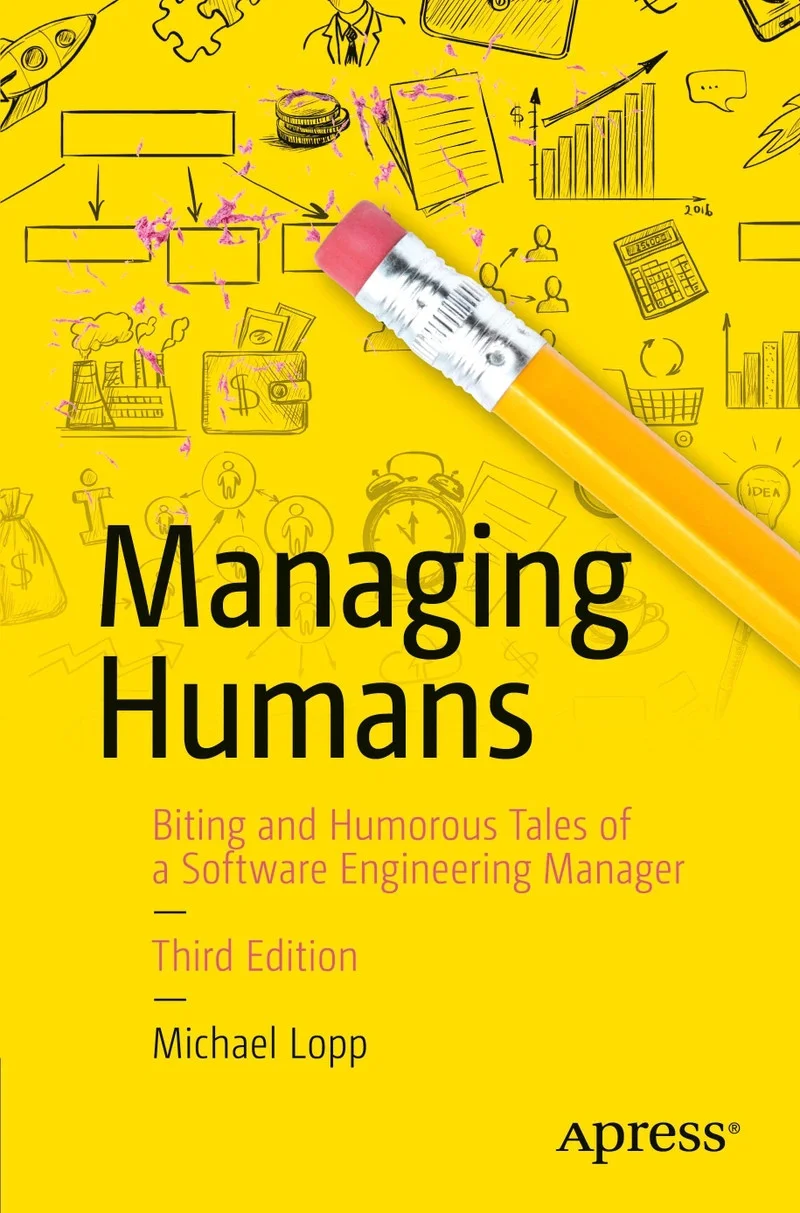
Author: Michael Lopp
What is the book about: Plain and simple: Managing software engineers.
What I liked about the book: Easy to read.
Why you should read it: There are still not enough books about managing software engineers for first time managers. This is the book that started it all and a solid foundation for software managers.
The Innovator’s Dilemma
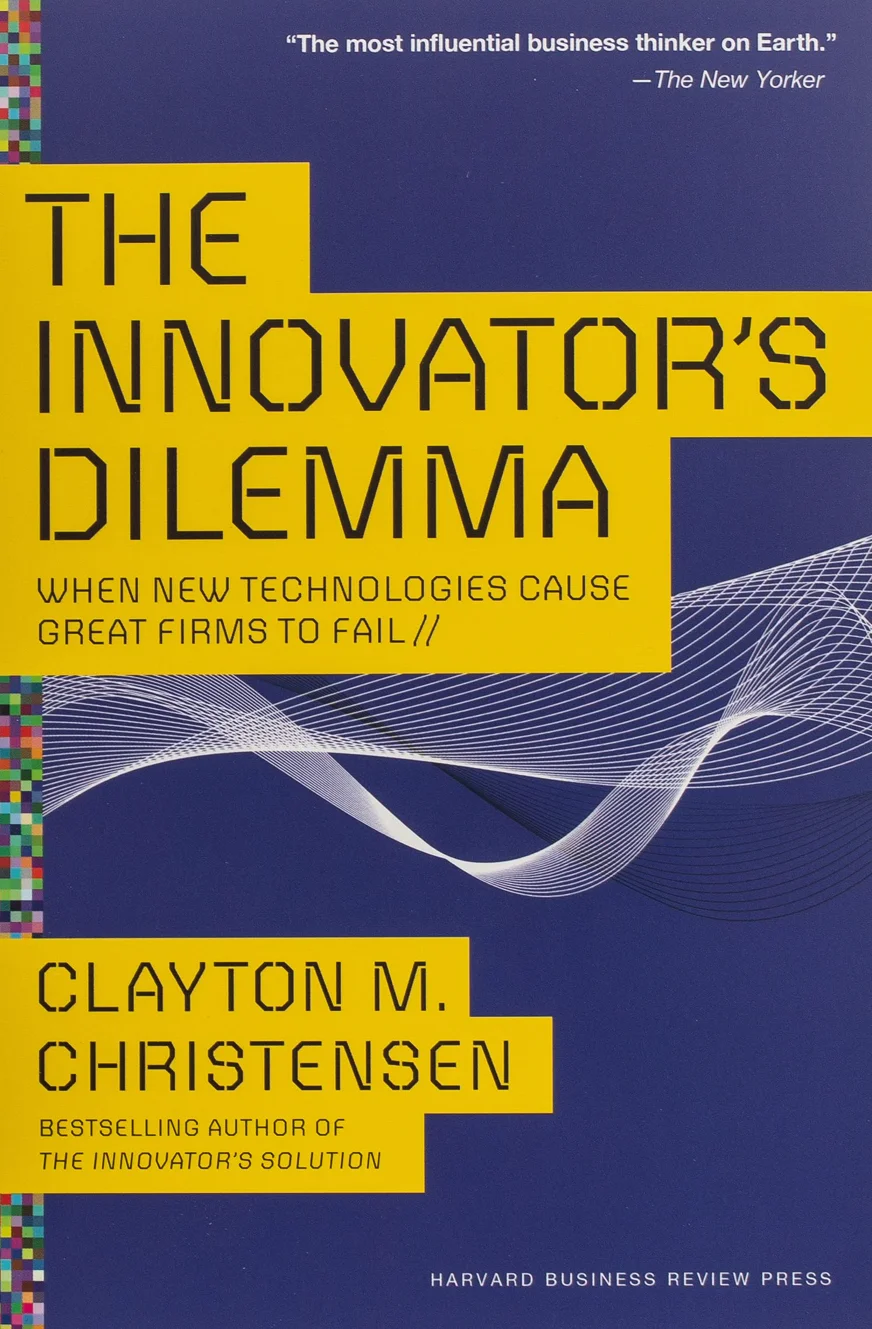
Author: Clayton M. Christensen
What is the book about: Innovation - especially how new participants to a market can replace the market leader with at first sight insufficient technology.
What I liked about the book: Rightfully the classic on technical innovation.
Why you should read it: CTOs need to take back control and get out from the execution box. CEOs need to love CTOs. The best way for CTOs is to have impact through technical innovation.
The Principles of Product Development Flow
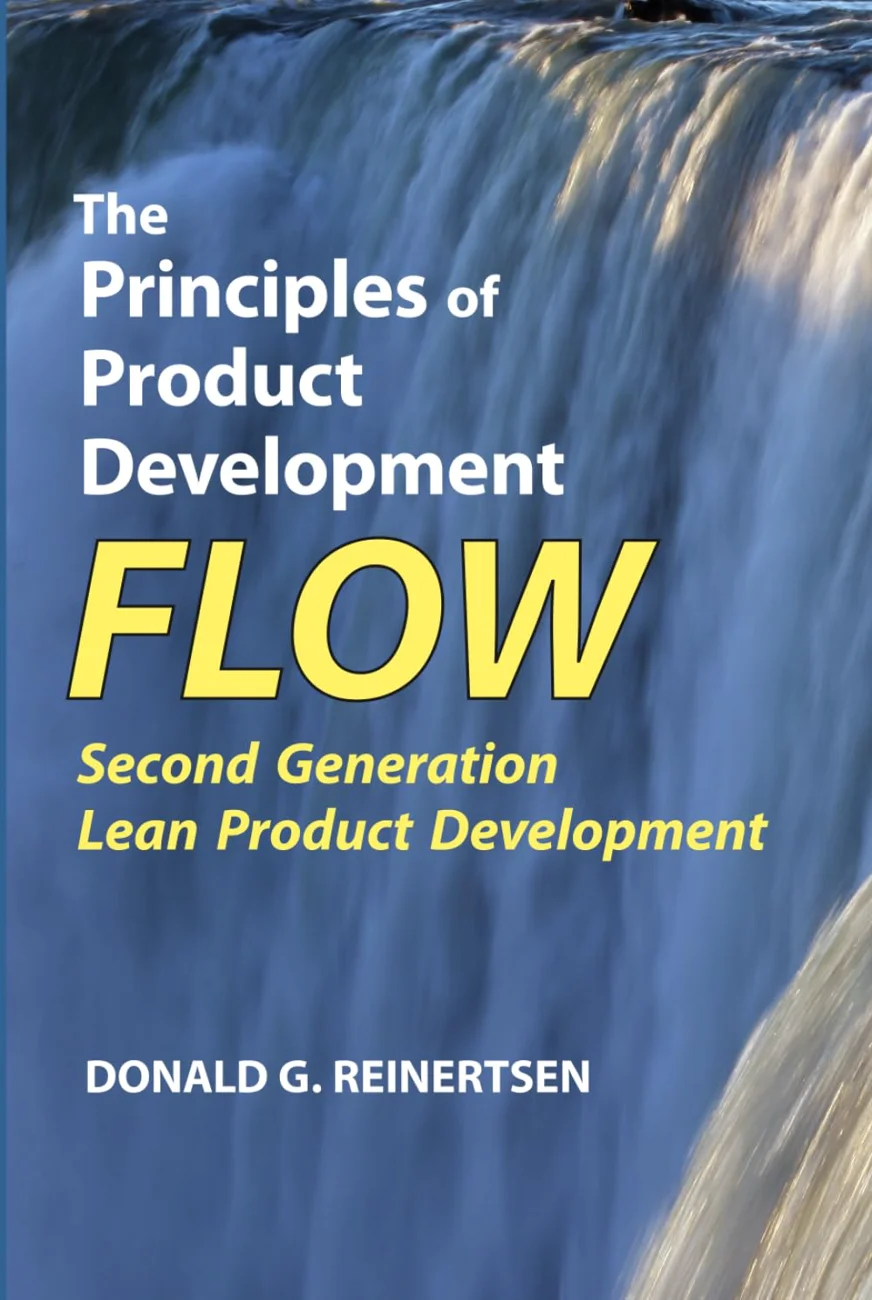
Author: Donald G. Reinertsen
What is the book about: How product development flow works.
What I liked about the book: An in-depth book, not a shallow book that has one idea drawn out to hundreds of pages. We need more in-depth insights into software development.
Why you should read it: CTOs need to have a thorough understanding of product management flow to solve their problems; only having an understanding of development processes is not enough.
The Hard Thing About Hard Things
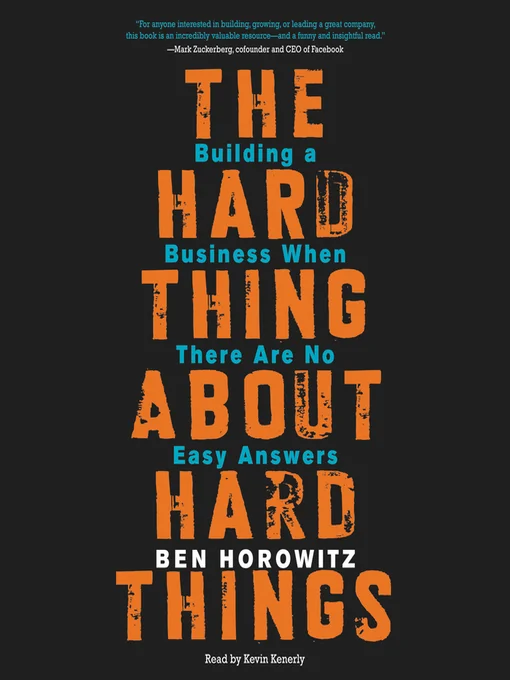
Author: Ben Horowitz
What is the book about: Growing a startup while everything is changing.
What I liked about the book: It's written by someone who knows things and has done things. Not one of those books written by someone with no clue just because the topic is hot.
Why you should read it: Everyone needs to read this book. There are many insights, but the one for every CTO is to stop politics around promotions and salary increases.
An Elegant Puzzle

Author: Will Larson
What is the book about: How to structure an engineering organization and engineering teams and how to manage them.
What I liked about the book: It has a thorough and deep look on how to structure teams and why. It talks about more than this but the structure part sticks out.
Why you should read it: Many CTOs struggle to structure their organization when growing. This book helps.
The Art of Leadership: Small Things, Done Well
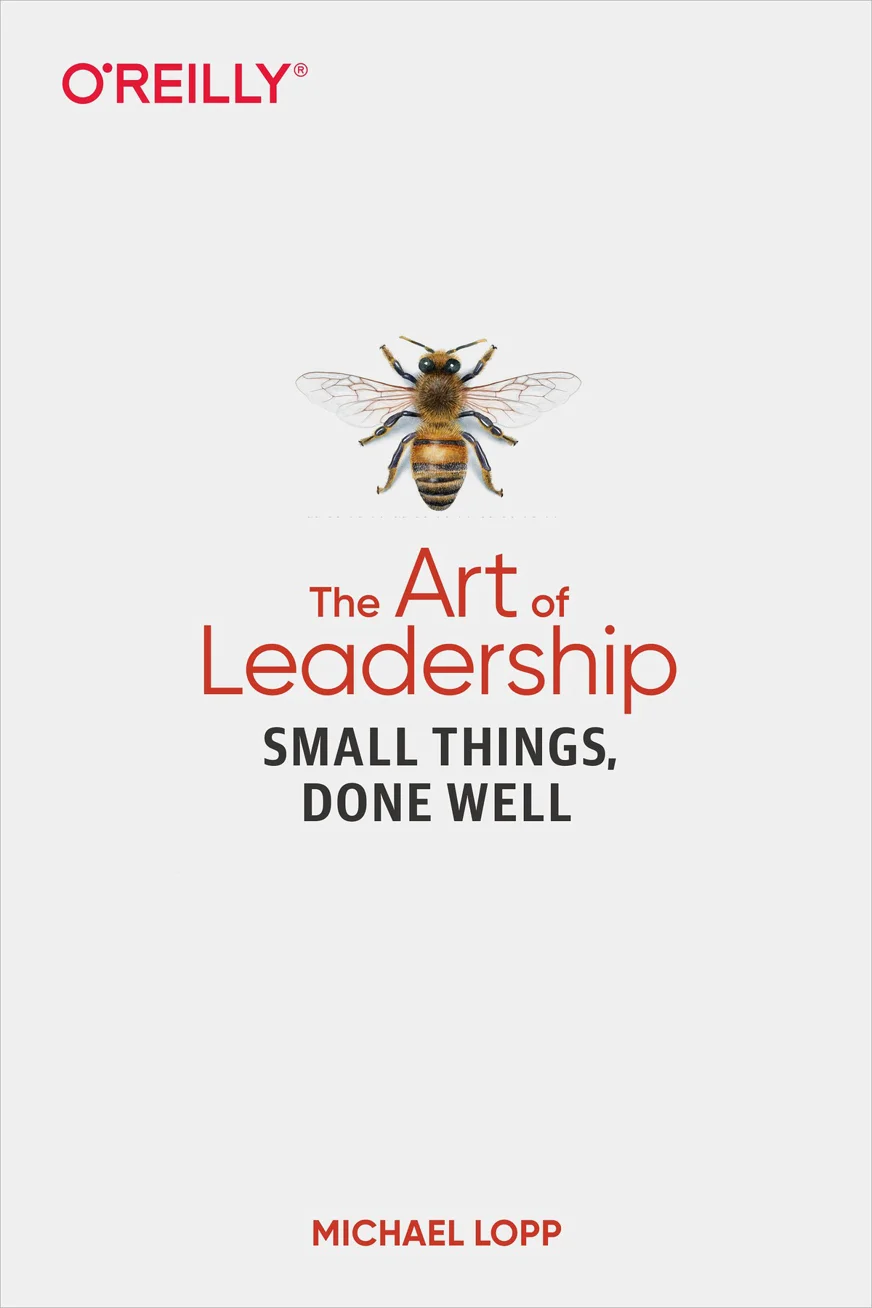
Author: Michael Lopp
What is the book about: Being an amazing manager.
What I liked about the book: The chapters are unique and genius: Manager, Director and Executive with the challenges on each level.
Why you should read it: There are many good tools in this book, like "Delegate until it hurts". Every tool in this book is tried by the author and has impact on your work as CTO.
Traction
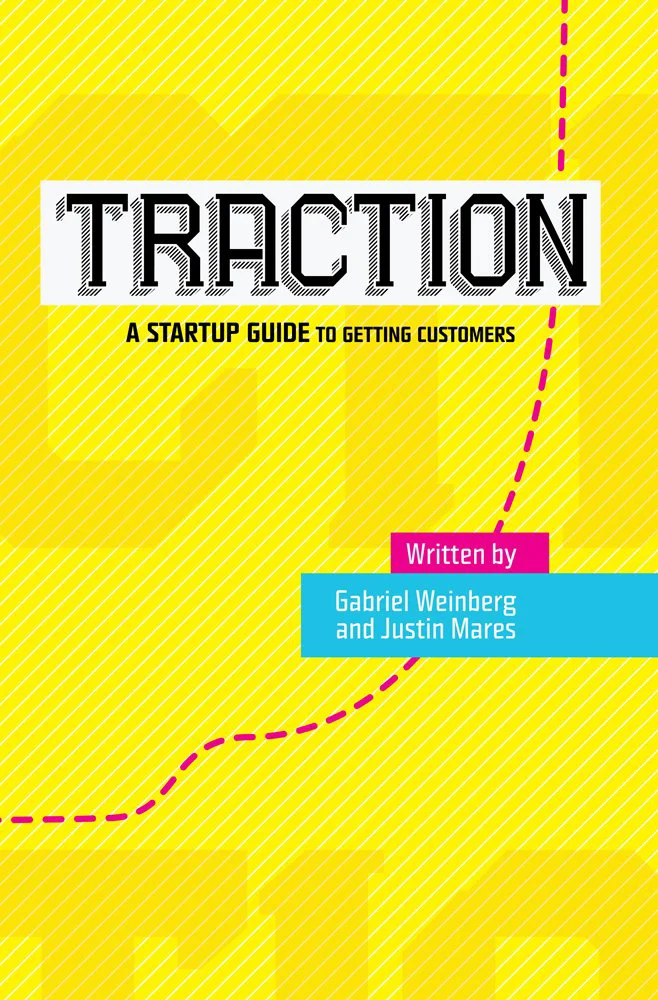
Author: Gabriel Weinberg and Justin Mares
What is the book about: How to get traction.
What I liked about the book: It gave the reader the mental model on how marketing works for getting new customers by trying out channels.
Why you should read it: Too often a CTO gets requests from marketing that do not make sense. CTOs should take a stand on the features that are developed and not just execute. Having a model for growth helps every CTO to distinguish good from bad features.
Lean Analytics
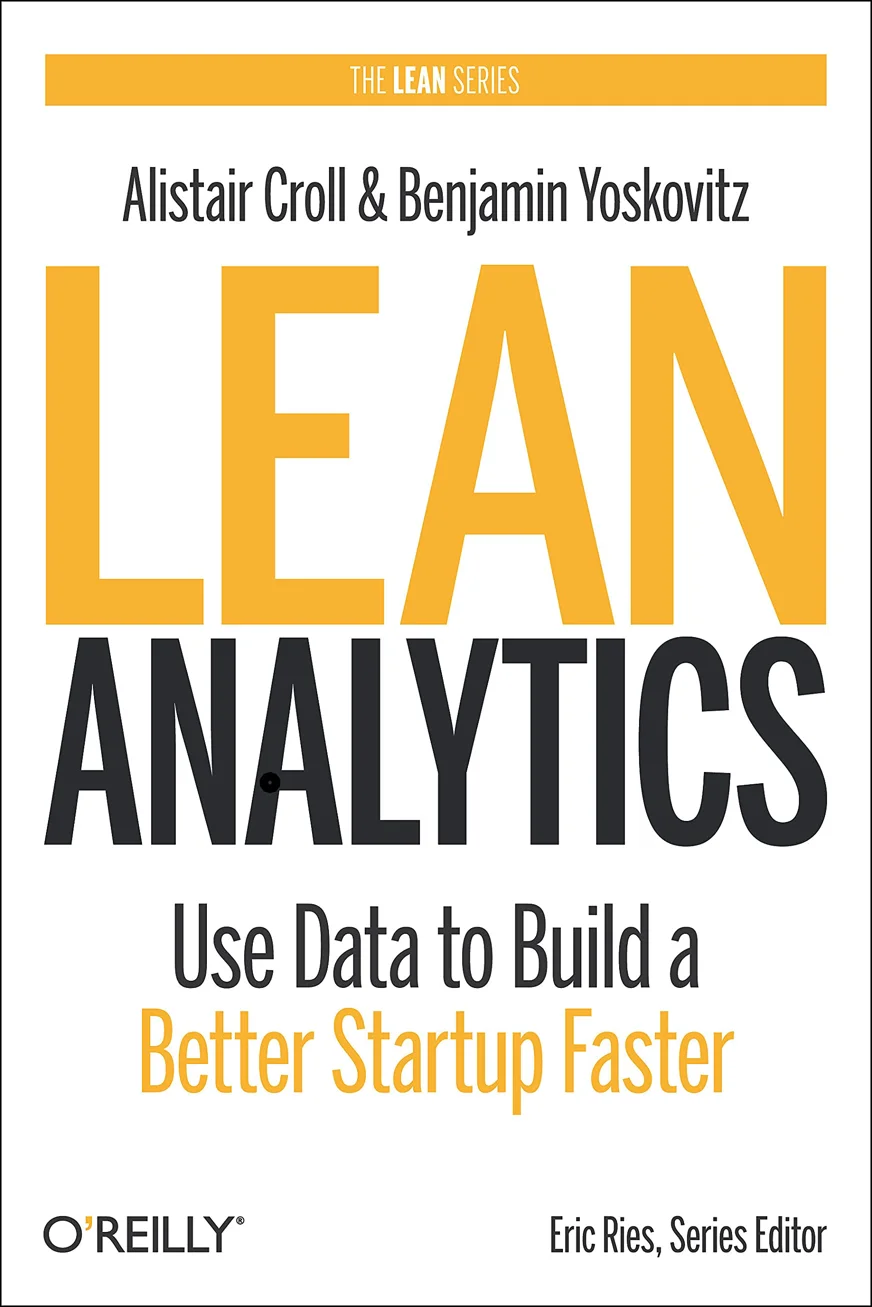
Author: Alistair Croll & Benjamin Yoskovitz
What is the book about: What metrics to use for your startup.
What I liked about the book: Metrics for every kind of SaaS business. It goes into a general understanding of what metrics are, which helps every CTO (e.g. metrics should always be ratios).
Why you should read it: Explains and analyzes KPIs for your startup for different business models like SaaS and eCommerce. It gives many ideas about what to measure.
The Alliance
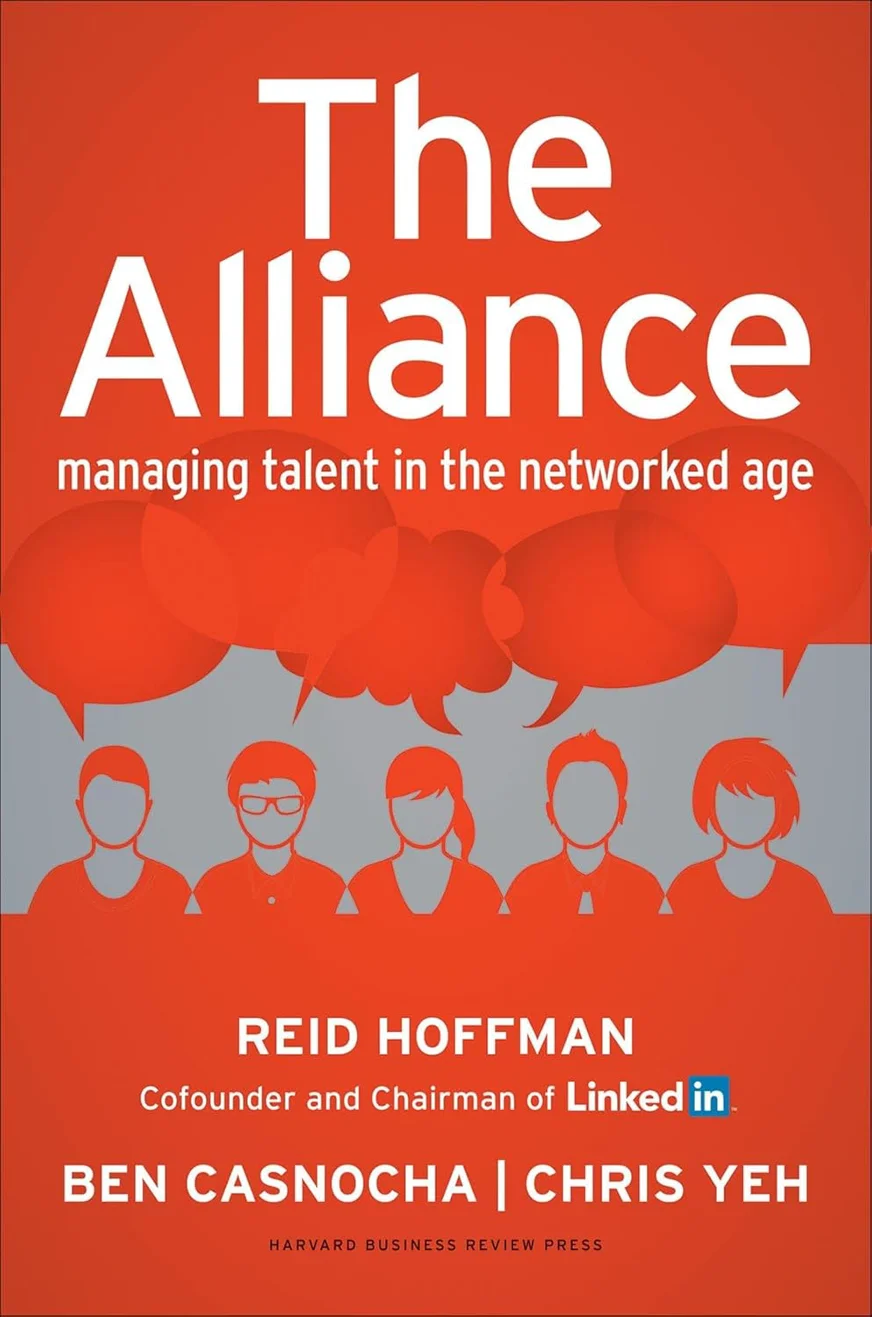
Author: Reid Hoffman, Casnocha, Chris Yeh
What is the book about: A new way to think about employer and employee relationships.
What I liked about the book: It offers a new view on how to build a relationship between the company and employees. It tells you to do away with the lie that the relationship is forever, which is freeing and lets you do the right things instead.
Why you should read it: Every CTO is struggling with recruiting developers. Having a different understanding of the relationship opens up new possibilities for all CTOs.
First, Break All The Rules
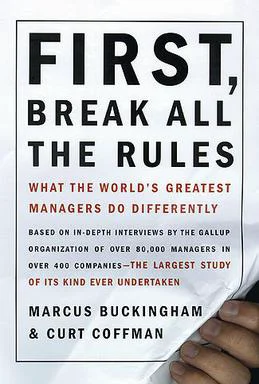
Author: Gallup (Foreword by Jim Harter)
What is the book about: The book is essentially about employee happiness and questions that help determine employee happiness.
What I liked about the book: The reviewer took a lot away from the book and the research that went into it.
Why you should read it: Developer happiness is core to retention. It goes way beyond free lunch or playing table soccer. It is about answering questions like "In the last seven days, have I received recognition or praise for doing good work?"
HBR Guide to Office Politics
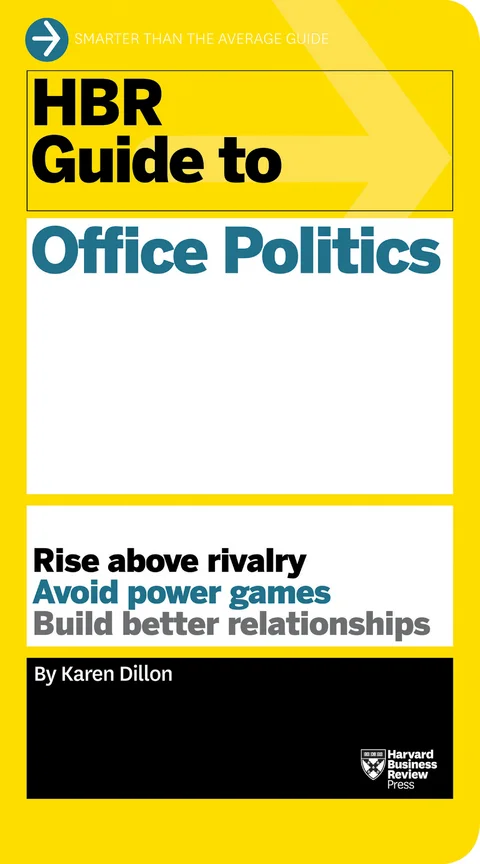
Author: Karen Dillon
What is the book about: Office Politics.
What I liked about the book: This is an important topic but not talked about enough. Many developers who are promoted to top management struggle with politics as they are not used to it.
Why you should read it: The moment more external top managers are hired or your company is acquired, there will be politics. There might be politics from the beginning. This book helps CTOs deal with this ugly topic.